store carrier oils essential oils blends and recipes aromatherapy home
Myrtle Essential Oil Aromatherapy Benefits

Benefits | Medicinal Uses | Side Effects | Myrtle Remedies
buyBuy Organic Myrtle Oil

Myrtle

Common Names
Myrtle ,
Botanical Name
Myrtus communis
Family
Myrtaceae
Note
Aroma
camphor-like, peppery

Myrtle Constituents:

Myrtle Oil Description

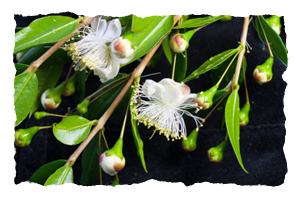
Myrtle essential oil is distilled from the aromatic leaves of this evergreen shrub that grows wild throughout the Mediterranean. It has small edible blue purple berries, and fragrant white flowers. The ancient Egyptians used to crush the leaves and add them to wine to treat fever and infection. Myrtle oil has a distinct, spicy, camphor-like aroma. The better oils exhibit a sweeter, fresher note. Myrtle oil is used to add a spicy, herbal component to outdoors and natural-type colognes. It blends well with bergamot, lavandin, lavender, rosemary, clary sage and lime oils.

Myrtle Properties:

Myrtle Common Uses

Side Effects: of Myrtle
annies aromatherapy essential oils

Learn More

about the herbal uses of Myrtle at Annies Remedy Medicinal uses of herbs, plants and home herbal remedies for your families health. Herbal teas, herb infused oils, extracts and more

Mountain Rose Aromatherapy

Buy Organic Myrtle Oil

Pure Organic Aromatherapy
Myrtle essential oil

Myrtle essential oil(Myrtus communis) Origin- Tunisia Method of Cultivation- Wildharvested Common Method Of Extraction: Steam distilled Parts Used: Leaves and twigs Note Classification: Middle to Base Aroma: Clear, fresh, camphoraceous, sweet-herbaceous odor